The average family office spends $15,000–$25,000 per deal in diligence costs before reaching a term sheet — with a 3% close rate. The math is brutal. AI Front-End Screening changes the economics of private market investing fundamentally.
A family office knows what it paid for the last deal it closed. It rarely knows what it paid for the deals it did not close. That second number is larger, it comes back every year, and it never appears on a statement. It is the cost of diligence on deals that die before a term sheet. I think of it as a tax on returns, and in my experience most of the people paying it have never added it up.
The average family office spends $15,000 to $25,000 per deal in diligence costs before it reaches a term sheet, and its close rate is three percent. I put those two numbers side by side and the math is brutal. At a three percent close rate, nearly every dollar of diligence is spent on a deal that will not happen. The deals that close are the exception, and they carry everything else.
Why the tax stays hidden
The cost hides because it is spread out. No single dead deal looks expensive. Each one is written off as the cost of doing business. But doing business this way means the returns on the few deals that close have to pay for the diligence on all the deals that did not. Most allocators spend a fortune on diligence for deals that never close, and still miss the ones that would have mattered. I call it a tax because it is charged on every deal you look at, whether or not the deal happens.
Diligence on a deal that closes is an investment. Diligence on a deal that dies is a tax.
The second cost is time
Money is the part of the tax that can be counted. Time is the part that cannot. Diligence on a single opportunity has run six to nine months, and a dead deal consumes those months just as a closed one does. On that clock, an office takes a handful of deals through full diligence in a year, and the rest go unseen. We believe the expensive deal was never the bad one you avoided. It was the great one you never got to see, because the desk was buried in deals that were never going to work.
That second cost is the one that pushed me to build Next Edge Alliance. The first shows up in a budget. The second shows up years later, as the company you could have backed and did not. Nobody can put a number on it, and I am certain it is the larger of the two.
Screening before spending
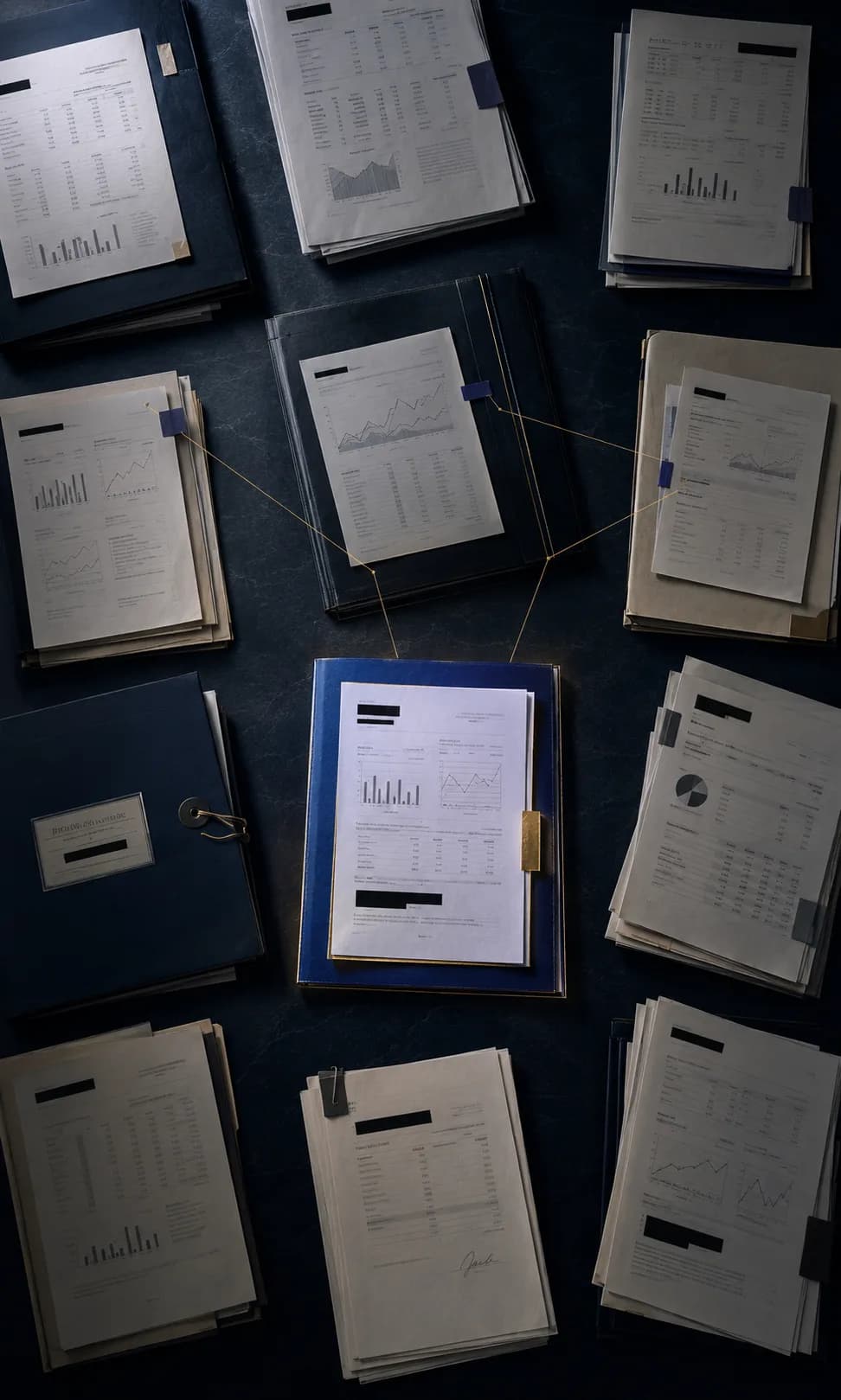
The way we cut the tax is not by running diligence faster on every deal that arrives. It is by not running diligence on deals that were never going to fit. That is the job of AI Front-End Screening inside Investor Hive. A pitch deck or a PDF goes in. It comes back structured as investor-grade data: a company profile, a financial summary, a red flag scan, and a sector classification. The deals that do not qualify are identified at that point, and no human time is spent on them.
The screen asks the questions that kill deals, and it asks them first. It checks whether the sector fits the investor's thesis, whether the check size is right, whether the materials are complete and what is missing, and whether the financials or the structure carry a red flag that would end the conversation. Any one investor sees only the deals that cross their own desk. Investor Hive sees across every deal in the network and surfaces the ones that fit while filtering out the ones that do not. We designed it that way because those deals cost the most.
What changes in the economics
When the deals that would never fit are filtered before money is spent on them, the diligence budget goes only to deals with a real chance of closing. Fewer deals reach diligence, more of them fit, and the cost of each closed deal falls. Automated data extraction, live term sheets, and generated investment memoranda take work that used to run six to nine months and finish it in days. The cost of dead deals drops close to zero, and the time a dead deal consumes falls with it.
The tax was never the diligence. It was the diligence on deals that were never going to close.
This is what I mean when I say the economics change fundamentally. Diligence on a deal that closes earns its keep, and we have no interest in cutting it. The tax was the diligence on the deals that were never going to close, and screening removes most of it before it is incurred. What is left is spent on deals that fit, and it finishes in days rather than months.
Process is most of the work
Roughly ninety percent of investing is process, and the platform handles that part. That part is the reading, the structuring, the scanning, and the drafting. The judgment is the part I believe no technology can replace. Nova, the intelligence built into Investor Hive, reads the full data room and answers questions about any deal in plain language. She holds the collective judgment of our founding investors and puts it to work on the deal in front of you. The decision is always yours.
We built Next Edge Alliance as a private capital markets exchange because private capital runs on an outdated clock, and the dead-deal tax is what that clock costs. A family office does not need to hire a team of analysts to stop paying it. It needs the deals that would never fit filtered out before the first dollar is spent, and the deals that do fit taken through diligence in days instead of months. That is what we built Investor Hive to do. You bring the capital and the final call.
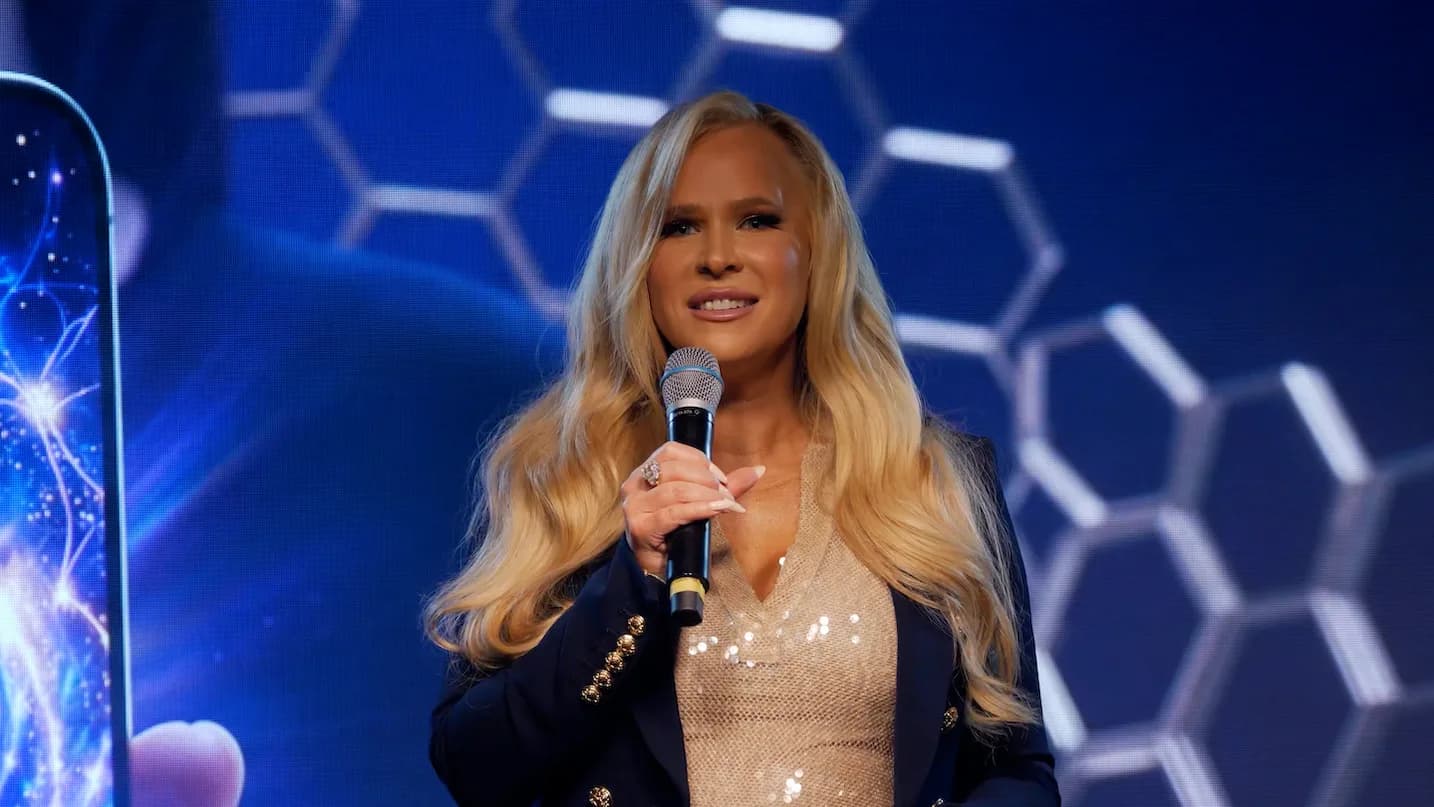
Andréa Albright
Co-Founder & CEO,
Next Edge Alliance

Andréa Albright
Co-Founder & Chief Executive OfficerAndréa is an entrepreneur, publisher, media strategist, and champion for visionary founders. She created Next Edge Alliance to put trusted relationships, institutional judgment, and private-market opportunity in the same room.